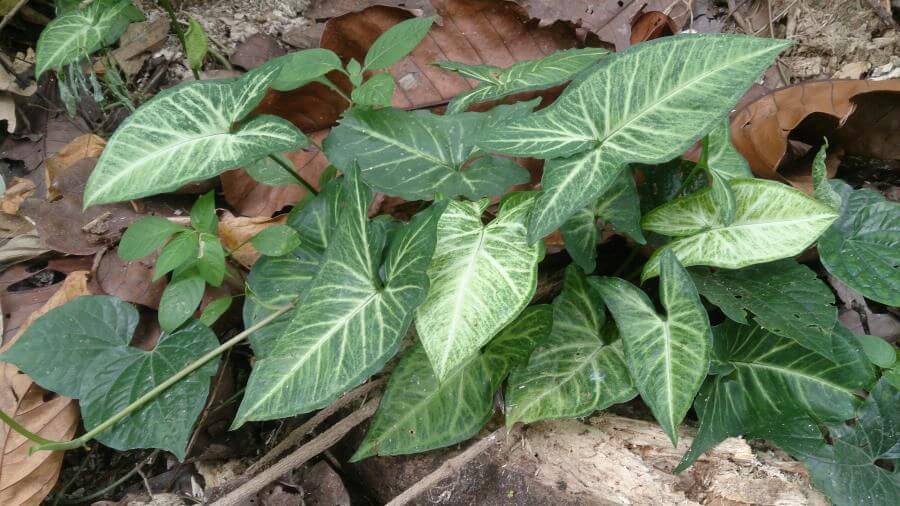
REMEDY OF THE DAY: PYRETHRUM PARTHENIUM Common names: Feverfew, feather foil Tincture of fresh plant. Clinical.ÔöÇ Convulsions. Delirium. Dysentery. Fevers. Loquacity. Rheumatism.
Characteristics.ÔöÇPyr. p. "has bitter tonic properties like those of Chamomile (Anthemis nobilis); and is a popular remedy in slight fevers (whence the name 'Feverfew'). The smell of the whole herb is said to be particularly offensive to bees" (Treas. of Bot.). Some popular "insect powders" are made of the dried flowers of Pyrethrum roseum. Radix Pyrethri, or Pellitory of Spain, which is used as an irritant and as a toothache cure, is the root of Anacyclus pyrethrum. The roots of the genus have a hot taste, whence the name Pyrethrum (¤Ç╬░¤ü, fire). One observation has been recorded with Pyr. p. A boy, 3 1/2, took 50 minims of the tincture. It nearly proved fatal, causing diarrh┼ôa, convulsions of a tetanic nature, twitchings, loquacious delirium, restless, rapid, and weak pulse, and profuse sweat at night. Some observations of Cooper's will be found in the Schema. Cooper has also cured cases of subacute rheumatism with P. roseum.Kartik