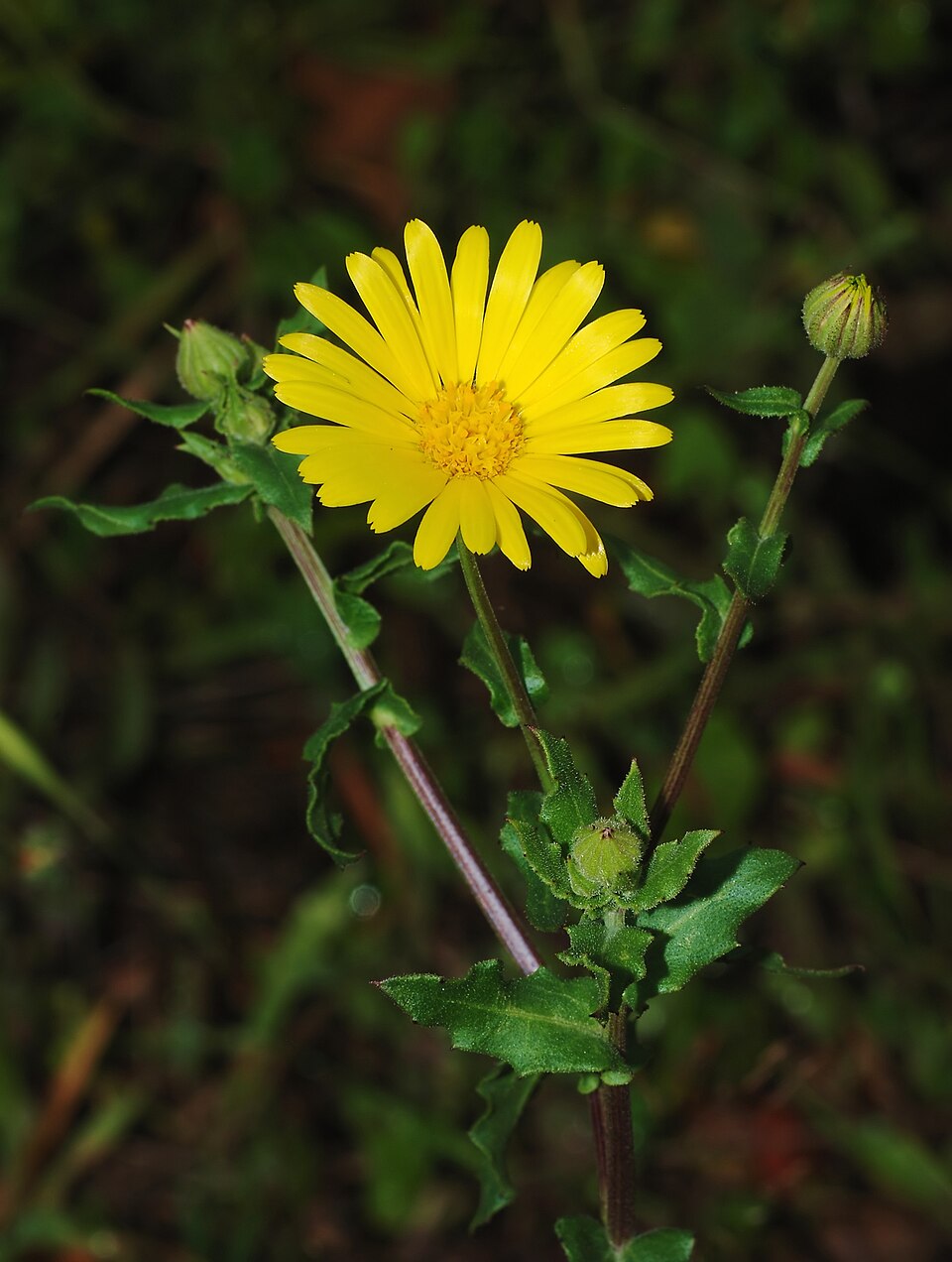
What Is Calendula Officinalis?
Calendula Officinalis is a homeopathic remedy prepared from the marigold plant, which has a long history in traditional herbal medicine for skin and wound care. In homeopathy, the remedy is prepared through potentisation and used both internally and externally — as a diluted tincture or cream. It is considered one of homeopathy's most specific remedies for traumatic tissue injury.
Key Characteristics
- Promotes clean, first-intention healing of cuts, lacerations, and wounds
- Prevents or addresses early wound suppuration (pus formation)
- Useful where tissue loss makes simple adhesive closure impossible
- Applicable to ragged, torn wounds where skin edges cannot be approximated
- Also used after dental extractions and surgical procedures
- Marked susceptibility to cold, damp air
Mental Picture
Individuals in a state calling for Calendula are often restless, anxious, and easily startled. They may appear more frightened about their condition than the injury alone would warrant, and there can be heightened irritability during the healing process. As Calendula is most often used in acute situations, the mental picture is less elaborated than in constitutional remedies.
Physical Picture
The primary indication for Calendula is tissue trauma — particularly open wounds, cuts, and lacerations where clean healing is the goal. It is described as encouraging granulation tissue formation and reducing infection risk in exposed wounds. Homeopaths also consider it in nerve pain following injury and for raw, oozing inflammatory skin conditions. It may also be used topically as a tincture alongside internal use.
When Is It Considered?
Homeopaths may consider Calendula Officinalis when:
- There are cuts, lacerations, or wounds requiring clean healing
- The risk of suppuration or infection in a wound is a concern
- Recovery from surgical or dental procedures is needed
- Tissue loss makes normal wound closure difficult
- There is nerve pain or rawness associated with surface wounds
Note: Always consult a qualified homeopath before using any remedy. This article is for educational purposes only.