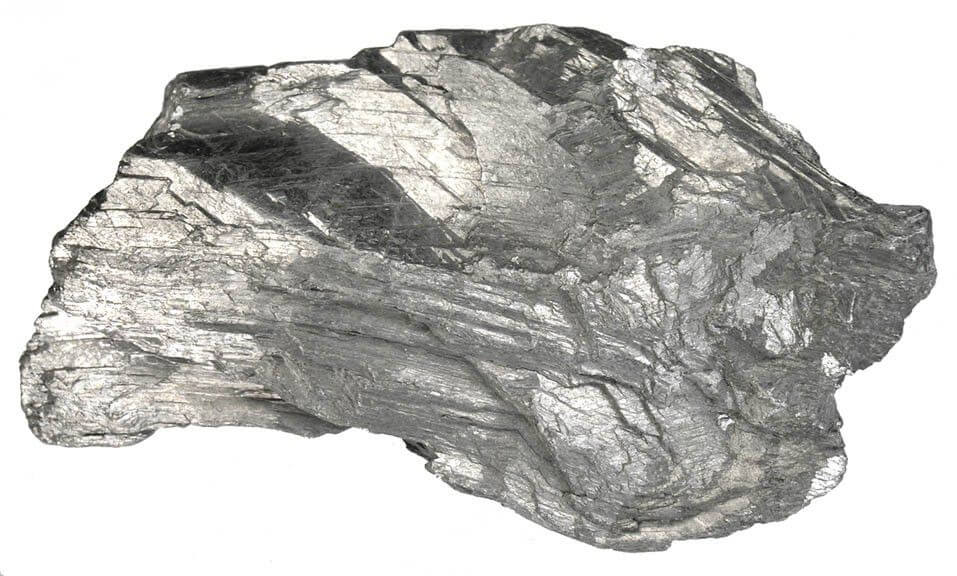
What Is Benzenum?
Benzenum is a homeopathic remedy prepared from benzene (C₆H₆), the aromatic hydrocarbon found in petroleum and coal tar and well known in toxicology for its haematotoxic effects. Chronic benzene exposure produces aplastic anaemia, pancytopenia, and increased leukaemia risk — reflecting its direct action on bone marrow stem cells. Clarke documents Benzenum in the Dictionary of Practical Materia Medica with proving and toxicological indications that reflect these haematopoietic effects translated into homeopathic indications.
Key Characteristics
- Blood disorders — anaemia, leucopenia, and thrombocytopenia reflecting bone marrow suppression
- Haemorrhagic tendency — easy bruising, petechiae, and bleeding from mucous membranes
- Profound fatigue and weakness accompanying the blood disorder picture
- Vertigo and headache associated with anaemia and toxic exposure
- Neurological symptoms — tingling, numbness, and peripheral neuropathy from hydrocarbon action
- Skin eruptions accompanying the systemic toxic picture
- Constitutional effects of chronic chemical exposure — debility, fatigue, and blood dyscrasia
Mental Picture
Clarke notes that the mental picture of Benzenum includes the effects of chronic toxic exposure on the nervous system: difficulty concentrating, mental fatigue, and a dull, foggy quality to the mind. The mental depression and cognitive dulling of the anaemic and toxic state form the mental backdrop rather than producing a distinctive independent mental keynote.
Physical Picture
The blood and bone marrow are the primary targets. Haematological suppression — anaemia, low white cell count, and reduced platelet numbers — produces fatigue, pallor, haemorrhagic tendency, and immune vulnerability. Peripheral neuropathy from hydrocarbon action adds tingling and numbness to the picture. Skin eruptions and systemic debility complete the toxic constitutional picture. The remedy is particularly relevant in conditions following known benzene or hydrocarbon exposure, or in constitutional presentations that resemble this toxic picture.
When Is It Considered?
Homeopaths may consider Benzenum when:
- Blood disorders — anaemia, leucopenia, or thrombocytopenia — accompany profound fatigue
- Haemorrhagic tendency with easy bruising and petechiae is a prominent feature
- The clinical history includes chemical or hydrocarbon exposure
- Peripheral neuropathy with tingling and numbness accompanies the blood disorder
- Constitutional debility following toxic exposure resembles the benzene toxicological picture
Note: Always consult a qualified homeopath before using any remedy. This article is for educational purposes only.