What Is Acidum Chrysophanicum?
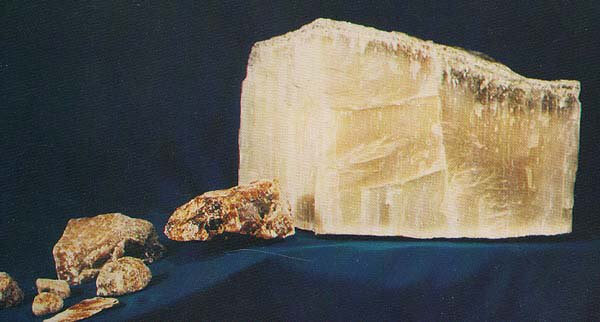
Acidum Chrysophanicum is a homeopathic remedy prepared from chrysophanic acid (1,8-dihydroxy-3-methylanthraquinone), a naturally occurring anthraquinone compound found in senna, rhubarb, chrysarobinum, and certain lichens. It is the active constituent responsible for the intense yellow staining in skin conditions treated with chrysarobin. Clarke includes Acidum Chrysophanicum in the Dictionary of Practical Materia Medica, with its primary indication in skin conditions showing scaly, yellowish, psoriatic eruptions.
Key Characteristics
- Skin eruptions with yellowish, scaly, or silvery-white patches resembling psoriasis
- Itching of the affected skin areas, sometimes intense and disturbing
- Dryness of the eruptions without significant weeping or exudation
- The yellowish quality of the eruptions and possible staining of the surrounding skin
- Scalp involvement with scaling and flaking typical of sebopsoriasis
- Chronic, recurring skin conditions that resist simpler remedies
Mental Picture
Clarke does not describe a strongly developed or distinctive mental picture for Acidum Chrysophanicum. The remedy is studied primarily for its skin indications, and the mental state has not been elaborated in the proving as a primary differentiating feature. General irritability from persistent itching and skin discomfort may be inferred from the physical state.
Physical Picture
The skin is the primary target. Psoriatic eruptions — silvery, scaly, or yellowish patches on the elbows, knees, scalp, and trunk — constitute the principal indication. The yellow staining quality of chrysophanic acid in crude form is reflected in the colour of the eruptions. The patches are dry rather than weeping. Itching is a consistent feature. Clarke notes the remedy's relationship to chrysarobinum, which is used topically for psoriasis, and positions Acidum Chrysophanicum as its internal homeopathic counterpart in constitutional treatment.
When Is It Considered?
Homeopaths may consider Acidum Chrysophanicum when:
- Psoriatic eruptions with yellowish or silvery, dry, scaling patches are the chief complaint
- Itching accompanies the scaly eruptions, particularly at the elbows, knees, or scalp
- The eruptions are dry without weeping or exudation
- Skin conditions have a yellowish quality or the surrounding skin shows staining
- Chronic, recurring skin disease has not responded well to other indicated remedies
This article is for educational purposes only. Homeopathic remedies should be selected under the guidance of a qualified practitioner and do not replace medical evaluation.