What Is Acacia Arabica?
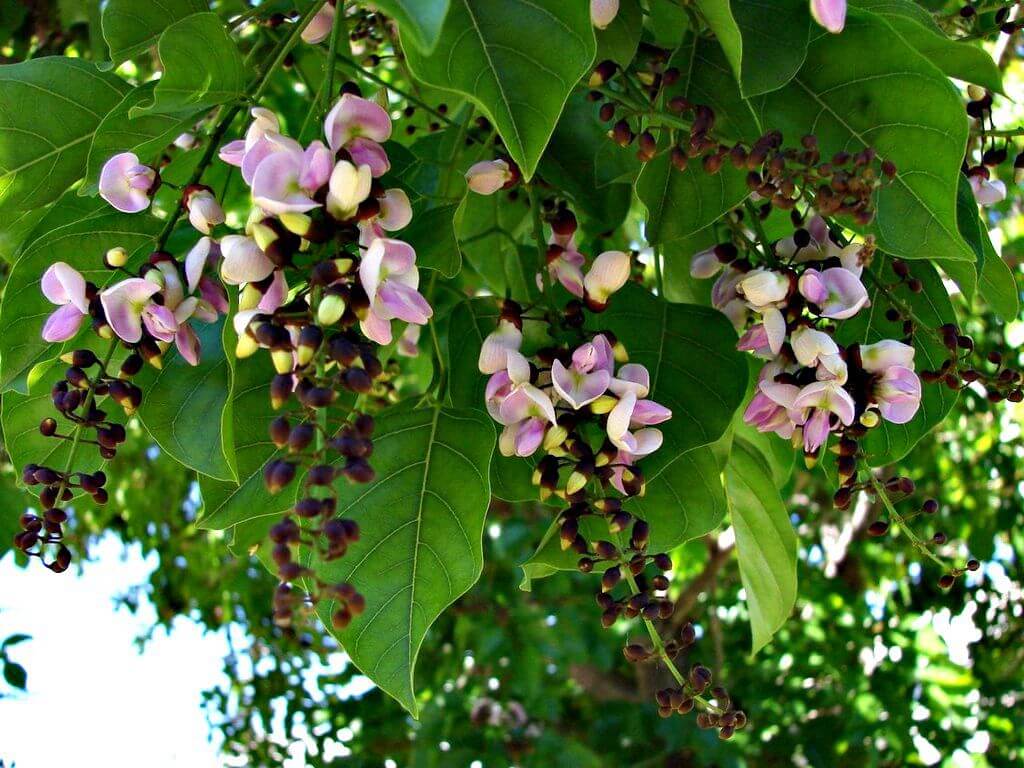
Acacia Arabica is a homeopathic remedy prepared from the gum of the babool tree (Vachellia nilotica, formerly Acacia arabica), a thorny tree native to Africa and South Asia. Gum arabic — the dried exudate from this tree — has been used in traditional medicine for millennia as a demulcent for inflamed mucous membranes. Clarke includes Acacia Arabica in the Dictionary of Practical Materia Medica, noting its particular suitability for throat, bowel, and urinary conditions where irritated mucous surfaces call for a soothing action.
Key Characteristics
- Sore throat with dryness, rawness, and difficulty swallowing
- Diarrhoea, particularly in children, with frequent loose stools and griping
- Gonorrhoeal and urinary tract irritation with burning and discharge
- Mucous membrane inflammation with a tendency to dryness and rawness
- Throat complaints aggravated by empty swallowing
- A dry, tickling cough arising from pharyngeal irritation
Mental Picture
Acacia Arabica does not present a well-defined or characteristic mental picture in the classical texts. Clarke and Allen note that the remedy is studied primarily for its local, organ-specific action rather than for broad constitutional or psychological characteristics. It is considered in acute and subacute inflammatory conditions of mucous membranes.
Physical Picture
The principal physical affinities of Acacia Arabica are the throat and bowel. The throat is dry, raw, and inflamed, with difficulty swallowing and a persistent tickling cough. In the digestive tract, diarrhoea with griping and frequent loose stools — particularly in children — is the main indication. Urinary tract irritation with burning micturition and discharge has also been documented, suggesting a broad affinity for inflamed mucous surfaces throughout the body.
When Is It Considered?
Homeopaths may consider Acacia Arabica when:
- Sore throat with dryness, rawness, and painful swallowing is the chief complaint
- Diarrhoea with griping and frequent loose stools occurs, particularly in children
- Urinary irritation with burning accompanies throat or bowel complaints
- A tickling, dry cough arises from pharyngeal irritation
- General mucous membrane inflammation with dryness and rawness is present
Note: Always consult a qualified homeopath before using any remedy. This article is for educational purposes only.